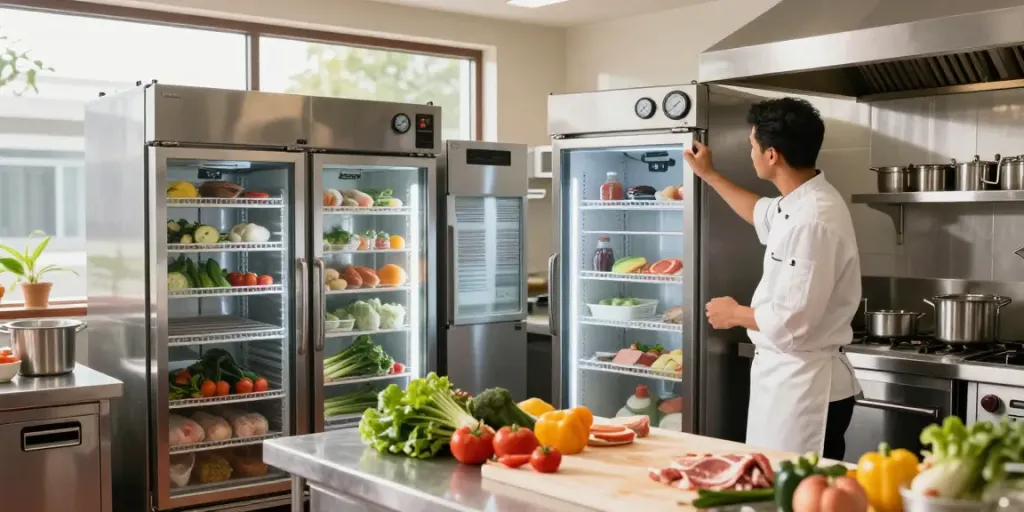
Understanding Commercial Refrigeration Today
In an era where efficiency and sustainability are paramount, the field of Commercial Refrigeration plays a crucial role in various industries. This technology encompasses a wide array of cooling systems that ensure food safety, product preservation, and optimal operational efficiency. As businesses evolve, so does the need for advanced refrigeration solutions that keep pace with changing regulations, consumer preferences, and technological innovations.
What is Commercial Refrigeration?
Commercial refrigeration refers to the systems and equipment designed to provide cold storage and temperature control for various commercial applications. This includes reach-in refrigerators, walk-in coolers, freezers, and ice machines, all critical for preserving perishable goods and maintaining the right climate for specific products. Unlike residential refrigeration, commercial systems are designed to handle larger volumes and operate continuously in demanding environments.
Key Components of Refrigeration Systems
Understanding the integral parts of commercial refrigeration systems is essential for optimal performance. Key components include:
- Compressors: These are the heart of refrigeration systems, compressing refrigerant and circulating it through the system.
- Condensers: These units dissipate heat from the refrigerant, converting it from gas back to liquid, often located outside the building.
- Evaporators: These components absorb heat from the environment, allowing the refrigerant to evaporate and cool the air inside the unit.
- Expansion Valves: These regulate the flow of refrigerant into the evaporator, ensuring efficient cooling cycles.
- Fans and Controls: Essential for airflow and temperature regulation, these components help maintain the desired environment within the refrigeration unit.
Applications in Various Industries
Commercial refrigeration is vital in numerous sectors, including:
- Food Service: Restaurants, cafes, and food trucks rely on refrigeration for fresh ingredients and food safety compliance.
- Grocery and Retail: Supermarkets and convenience stores use refrigeration to display perishables, ensuring products are always safe and attractive to customers.
- Healthcare: Hospitals and pharmacies require precise temperature control for vaccines, medications, and biological samples.
- Hospitality: Hotels and resorts depend on refrigeration for beverage services, catering, and food storage.
Historical Evolution of Commercial Refrigeration
The journey of commercial refrigeration is marked by significant technological advancements and innovations. Understanding its history provides insight into current capabilities and future trends.
Early Developments in Refrigeration Technology
The concept of refrigeration dates back to ancient civilizations, but modern commercial refrigeration began in the mid-19th century with the advent of mechanical refrigeration systems. Early models relied on ammonia as a refrigerant and were primarily used in breweries and meatpacking industries. These systems laid the groundwork for the widespread adoption of refrigeration technology.
Major Milestones Over the Decades
Throughout the 20th century, several key developments transformed commercial refrigeration:
- 1920s: The introduction of Freon revolutionized the industry, making refrigeration safer and more efficient.
- 1950s: The development of self-contained refrigeration units allowed for easier installation and maintenance.
- 1980s: The rise of digital controls and programmable thermostats enhanced energy efficiency and user control.
- 2000s: Focus on environmental sustainability led to the phased-out use of ozone-depleting refrigerants, replaced by more eco-friendly alternatives.
The Role of Innovation in Refrigeration
Innovation continues to play a pivotal role in the evolution of commercial refrigeration. The integration of advanced materials, smart technologies, and energy-efficient designs has led to more sustainable practices. As businesses face stricter regulations and consumer demands for eco-friendly options, the refrigeration sector adapts by embracing cutting-edge solutions.
Current Trends in Commercial Refrigeration for 2026
As we look toward 2026, several trends are shaping the future of commercial refrigeration, driven by technological advancements and changing market demands.
Energy Efficiency and Sustainable Practices
Energy efficiency remains a top priority in commercial refrigeration. Businesses are increasingly investing in energy-efficient models that reduce operational costs and environmental impact. Key strategies include:
- High-Efficiency Compressors: Designed to consume less energy while maintaining optimal performance.
- Insulation Improvements: Enhanced insulation in refrigeration units minimizes energy loss and reduces cooling costs.
- Alternative Refrigerants: The shift to low-GWP (Global Warming Potential) refrigerants is crucial for compliance with environmental regulations.
Smart Refrigeration Solutions and IoT Integration
The rise of the Internet of Things (IoT) has paved the way for smart refrigeration systems that offer real-time monitoring and control. These systems enable businesses to:
- Track temperature and humidity levels remotely.
- Receive alerts for maintenance issues or temperature fluctuations.
- Optimize energy consumption based on usage patterns and demand.
Such advancements not only enhance efficiency but also ensure compliance with health and safety regulations.
Regulations Impacting Commercial Refrigeration
As environmental concerns rise, regulatory bodies are enacting stricter guidelines governing the use of refrigerants and energy consumption. Businesses must stay informed about:
- Local and international refrigerant regulations, including the Montreal Protocol.
- Energy efficiency standards mandated by governmental agencies.
- Health and safety regulations pertaining to food storage and handling.
Challenges Faced by the Commercial Refrigeration Industry
Despite advancements, the commercial refrigeration industry faces several challenges that can impact operational efficiency and profitability.
Common Misconceptions about Refrigeration Systems
One prevalent misconception is that all refrigeration systems are the same. In reality, the efficiency and functionality of a unit can vary significantly based on its design, brand, and intended use. Understanding these differences is essential for making informed purchasing decisions.
Maintenance and Operational Challenges
Regular maintenance is crucial for the longevity and efficiency of commercial refrigeration systems. Common challenges include:
- Unscheduled breakdowns due to neglect or lack of routine inspections.
- Increased energy consumption from dirty coils or malfunctioning components.
- Compliance with health regulations, necessitating frequent checks and certifications.
Future-Proofing Your Refrigeration Investments
To navigate the challenges of the commercial refrigeration landscape, businesses must adopt a proactive approach. This includes investing in technology that can adapt to future regulations, focusing on energy efficiency, and planning for upgrades or replacements when necessary.
Future Predictions for Commercial Refrigeration
The future of commercial refrigeration is bright, driven by innovation and a commitment to sustainability. Experts predict several key developments on the horizon.
Emerging Technologies on the Horizon
As research and development continue, several emerging technologies are expected to reshape the refrigeration landscape:
- Advanced Refrigerants: Research into natural refrigerants such as CO2 and hydrocarbons is set to increase, offering environmentally friendly alternatives.
- Artificial Intelligence: AI-driven analytics will provide deeper insights into energy use, predictive maintenance, and inventory management.
- Modular Refrigeration Systems: These adaptable units can be scaled according to demand, providing flexibility for businesses of all sizes.
Anticipated Changes in Consumer Demand
As consumer preferences shift toward sustainability and transparency, businesses will need to remain agile. This may include:
- Offering more organic and locally sourced products that rely on refrigeration.
- Implementing practices that emphasize sustainability in food production and storage.
- Using packaging solutions that extend shelf life, reducing the need for extensive refrigeration.
Expert Insights into the Future of Refrigeration
Industry experts predict a continued emphasis on sustainability. Companies investing in energy-efficient technology and eco-friendly practices will likely stand out in the competitive landscape. Moreover, as new regulations come into play, those who adapt quickly will secure a stronger market position.
What is considered commercial refrigeration?
Commercial refrigeration encompasses various cooling systems used in business settings, from supermarkets to hospitals, ensuring that products remain fresh and safe for consumption.
What are the different types of commercial refrigeration systems?
These systems can be categorized into several types, including reach-in refrigerators, walk-in coolers, blast freezers, and display cases, each tailored for specific operational needs.
How does energy efficiency impact commercial refrigeration?
Energy efficiency directly influences operational costs and environmental impact. High-efficiency systems reduce energy consumption, leading to lower utility bills and compliance with regulatory requirements.
What are the leading brands in commercial refrigeration?
Prominent brands include True Manufacturing, Traulsen, and Turbo Air, each recognized for their quality, performance, and innovative solutions in commercial refrigeration.
How can businesses choose the right refrigeration for their needs?
When selecting a refrigeration unit, businesses should consider factors such as size, efficiency ratings, ease of maintenance, and compliance with local regulations to ensure they make an informed investment.